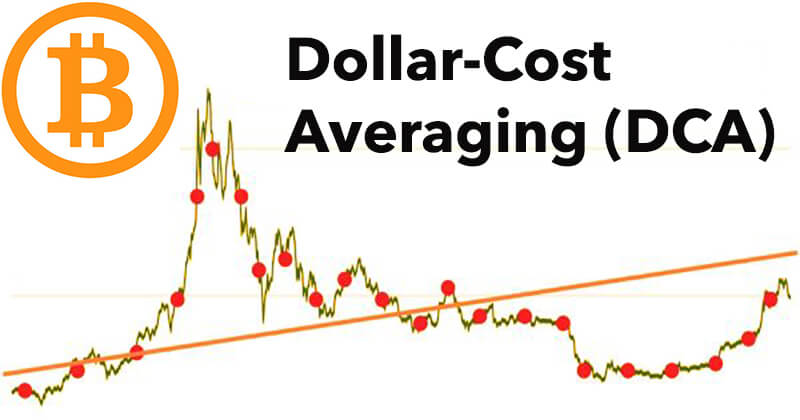

There are many myths about Bitcoin, and so many misconceptions, for example many people think that you have to own one full Bitcoin to own it, Which is out of many peoples budget, but the true reality is that you can own any small amount of bitcoin be it 50€ or less, In fact one of the best ways to accumulate Bitcoin is to what they term dollar cost averaging, to find out more on DCA see how blog post. Dollar cost averaging.
What is the 10 biggest myths about bitcoin
Myth 1: Bitcoin is Anonymous
Reality: Bitcoin transactions are pseudonymous, not anonymous. While users don’t have to provide personal information, all transactions are recorded on the public blockchain, making it possible to trace the flow of funds.
Myth 2: Bitcoin is Used Only for Illegal Activities
Reality: While Bitcoin was initially associated with illicit activities, its use has evolved over the years. Today, it is utilized for various legitimate purposes, including international remittances, online purchases, and as an investment asset.
Myth 3: Bitcoin is a Ponzi Scheme
Reality: Bitcoin is a decentralized digital currency built on blockchain technology, not a Ponzi scheme. Its value is based on supply and demand dynamics, market sentiment, and adoption, unlike Ponzi schemes that rely on constant recruitment.
Myth 4: Bitcoin Has No Intrinsic Value
Reality: Some argue that Bitcoin lacks intrinsic value because it isn’t backed by a physical asset or government. However, its scarcity, utility as a decentralized currency, and its ability to function as a store of value give it value.
Myth 5: Bitcoin Will Replace Fiat Currencies Soon
Reality: While Bitcoin has gained popularity, it’s unlikely to replace fiat currencies entirely. Its volatility, scalability issues, and regulatory challenges pose obstacles to widespread adoption as a primary currency.
Myth 6: Bitcoin is Hack-Proof
Reality: Bitcoin’s underlying blockchain technology is secure, but exchanges and wallets can be vulnerable to hacking. Users must practice good security measures, such as using reputable wallets and enabling two-factor authentication.
Myth 7: You Can’t Use Bitcoin for Real Transactions
Reality: Many merchants and businesses accept Bitcoin as payment for goods and services. From major companies to local businesses, the adoption of Bitcoin for transactions is increasing steadily.
Myth 8: Bitcoin is a Bubble
Reality: Bitcoin has experienced significant price fluctuations, leading some to label it a bubble. While it has seen price corrections, its long-term trajectory has been one of growth and increasing adoption.
Myth 9: Governments Will Ban Bitcoin
Reality: Some governments have expressed concerns about Bitcoin’s decentralized nature, but outright bans are uncommon. Instead, regulations are being developed to govern its use and protect consumers.
Myth 10: Bitcoin is Only for Tech-Savvy Individuals
Reality: While understanding the technical aspects can be beneficial, using Bitcoin has become much more user-friendly. Numerous user-friendly wallets and platforms have made it accessible to a broader audience.
In conclusion, Bitcoin has been surrounded by various myths and misconceptions over the years. Understanding the reality behind these myths is crucial for making informed decisions about Bitcoin’s potential and risks as an investment and a technological innovation.